

WELCOME TO OUR WEBSITE
Welcome to the new Ohio HIDTA website! Our team has worked diligently on updating this website to bring more information to the public and to our law enforcement partners. I am hopeful you will find this to be easy to use and navigate.
In January 2026, I joined the Ohio HIDTA as the new Executive Director. Prior to taking on this position, I served 27 years with the United States Marshals Service, spending most of my career in Northern Ohio where I ultimately served as the Chief Deputy U.S. Marshal. Throughout my career, I had the privilege of working with both the Ohio HIDTA and the Houston HIDTA, where I learned the value of the HIDTA Program and how it benefits the agencies involved and ultimately the communities we serve.
I am now excited to lead the Ohio HIDTA into the future as we take on new challenges and continue to find innovative ways to dismantle and disrupt drug trafficking organizations.
I am privileged to join a team of great professionals here at the Ohio HIDTA, who are all proud to serve this ever-important cause. The Ohio HIDTA currently supports 39 law enforcement task forces across Ohio, Western Pennsylvania, and Northern Kentucky. We support these task forces with critical funding, investigative analytical support, innovative training, information technology resources, and a deconfliction platform.
Our mission is of critical importance. We have lost too many loved ones to the deadly poisons distributed in our communities by heartless criminals, both foreign and domestic. The trafficking of illegal narcotics has had a detrimental effect on our nation, destroying families, neighborhoods, and so many lives. Illegal narcotics trafficking often brings death from lethal doses, but also from the violence that always accompanies drug trafficking. Ohio, Western Pennsylvania, and Northern Kentucky are no exception to these unfortunate truths. These deadly drugs affect our cities and our rural communities.
We at the Ohio HIDTA are committed to continue the battle against illegal narcotics and focus our resources on the mission of dismantling and disrupting those drug trafficking organizations that bring these poisons to our communities.
Thank you for visiting our website. I hope you take this opportunity to learn more about the HIDTA Program and the great work that our team does for this critical mission.
~ Andrew Deserto | Ohio HIDTA Executive Director
hidta case support services are unparalleled
High Intensity Drug Trafficking Areas (HIDTA) program, created by Congress with the Anti-Drug Abuse Act of 1988, provides assistance to Federal, state, local, and tribal law enforcement agencies operating in areas determined to be critical drug-trafficking regions of the United States. This grant program is administered by the Office of National Drug Control Policy (ONDCP). There are currently 33 HIDTAs, and HIDTA-designated counties are located in 50 states, as well as in Puerto Rico, the U.S. Virgin Islands, and the District of Columbia. At the local level, the HIDTAs are directed and guided by Executive Boards composed of an equal number of regional Federal and non-Federal (state, local, and tribal) law enforcement leaders.
Facilitating intel resources to combat and dismantle drug trafficking and money laundering organizations
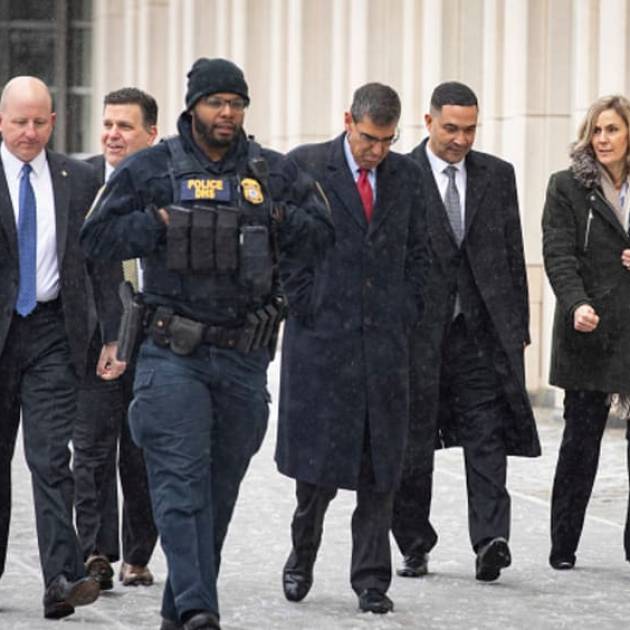

HIDTA embeds officers from dozens of agencies into joint initiatives — The Ohio HIDTA alone funds 39 initiatives across over 80 different agencies — which lets them pool intelligence, jurisdiction, and specialized authorities against organizations that operate across city, state, and international lines.
keeping citizens safe. become a part of our team
Becoming a criminal intelligence analyst with a High Intensity Drug Trafficking Area (HIDTA) program appeals to people who want investigative, analytical work that has a direct and visible impact on public safety. HIDTA analysts sit at the intersection of local, state, and federal law enforcement, which means the job offers exposure to a wide range of casework — from street-level trafficking to major cartel and cross-border smuggling networks — without requiring a sworn law enforcement career. For someone drawn to pattern recognition, data analysis, link charting, and telling a coherent story from disparate pieces of evidence (phone records, financial data, surveillance reports, informant tips), it’s a chance to use those skills toward something with concrete stakes: taking down trafficking organizations, disrupting the drug supply chain, and supporting prosecutions that hold real consequences.
Year 2025
Year 2025
Year 2025
Latest News



@DEADetroitDiv is proud to collaborate with Columbus, Ohio, law enforcement partners to disrupt fentanyl trafficking, hold those responsible accountable, and protect communities from violence.
— DEADetroit (@DEADETROITDiv) September 17, 2026
Special Agent in Charge Joseph Dixon stands with @ColumbusPolice Deputy Chief Robert… pic.twitter.com/eC5aGt7pMj
Bravo @ohiohidta for your investigations which led to arrests of this Cleveland drug ring!
— ONDCP (@ONDCP) December 17, 2025
37 criminals linked to multiple overdoses off our streets. https://t.co/6fvZFm4wVo
Special Agent in Charge Joseph O. Dixon and @ohiohidta Director Andrew Deserto spent the weekend in Lima, Ohio with families who lost loved ones to fentanyl poisonings. These are opportunities to share information, exchange ideas and identify areas to support them in their work. pic.twitter.com/LGYxNXa6yx
— DEADetroit (@DEADETROITDiv) May 4, 2026
ATF joined @NDWVnews & our police partners today to announce results from investigations that disrupted the flow of dangerous drugs onto WV streets, immediately impacting the safety of our communities. @WheelingPolice @SheriffOhioCO @PAStatePolice @ohiohidta https://t.co/LS2HjqKSux
— ATF Louisville (@ATFLouisville) August 3, 2022