

work with us!
the benefits of working as a analyst at hidta
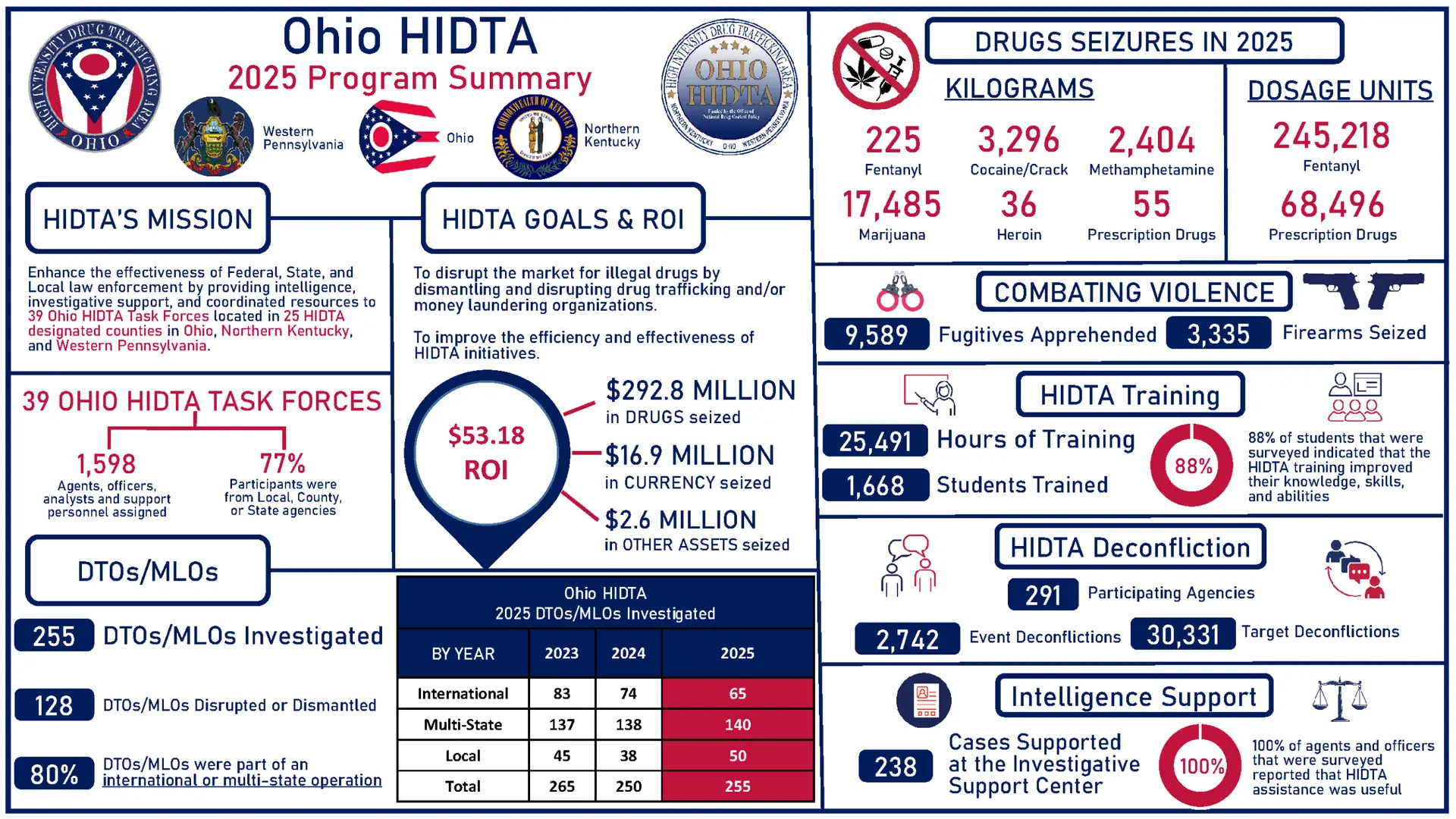
Becoming a criminal intelligence analyst with a High Intensity Drug Trafficking Area (HIDTA) program appeals to people who want investigative, analytical work that has a direct and visible impact on public safety. HIDTA analysts sit at the intersection of local, state, and federal law enforcement, which means the job offers exposure to a wide range of casework — from street-level trafficking to major cartel and cross-border smuggling networks — without requiring a sworn law enforcement career. For someone drawn to pattern recognition, data analysis, link charting, and telling a coherent story from disparate pieces of evidence (phone records, financial data, surveillance reports, informant tips), it’s a chance to use those skills toward something with concrete stakes: taking down trafficking organizations, disrupting the drug supply chain, and supporting prosecutions that hold real consequences.
There’s also a strong appeal in the collaborative, multi-agency nature of the work. HIDTA task forces bring together DEA, FBI, ATF, local police, and other agencies, so analysts build a broad professional network and get to see how different levels of law enforcement coordinate. It’s a good entry point into the intelligence or law enforcement field for people with backgrounds in criminal justice, data analysis, political science, or even statistics, since it doesn’t always require a policing background — many analysts come from civilian analytical roles. Beyond the professional development, people are often motivated by mission: seeing firsthand how their work on financial links, seizure patterns, or organizational mapping feeds into real operations gives a sense of purpose that a lot of purely academic or private-sector data roles don’t offer.